“Your ACE score is not the end of the story. It's not even the most important part of your story. The most important part is what you do with this information.”
— Dr. W. Frank Diak
Your ACE Score Explained
Heal the past with therapy for childhood trauma and PTSD.
A Compassionate Guide to Understanding Your Results
WELCOME
If you're reading this, you just took a significant step. Taking the ACE (Adverse Childhood Experiences) test requires courage—it asks you to look at difficult parts of your past that many people spend their whole lives trying to avoid.
Whatever number you received, whatever emotions you're feeling right now—whether it's relief, confusion, sadness, validation, or even numbness—all of it makes sense. You're not alone in this.
This guide will help you understand what your score means and what you can do with this information to support your healing.
Important: Your ACE score is not a life sentence. It's a starting point for understanding, not a diagnosis of who you are or who you'll become.
WHAT YOUR SCORE MEANS
The ACE test measures ten categories of childhood adversity. Your score simply reflects how many of these experiences you had before age 18.
IF YOUR SCORE IS 0-1
You experienced relatively low levels of measured childhood adversity. This doesn't mean your childhood was perfect or that you don't struggle—the ACE test only captures specific types of experiences.
Important to know: Emotional neglect (not feeling seen, heard, or valued) often goes uncounted. Some of the most profound wounds come from what didn't happen rather than what did.
IF YOUR SCORE IS 2-3
You experienced moderate childhood adversity. Research shows that even scores in this range are associated with increased stress responses in adulthood.
Important to know: Your experiences were significant, even if others had "worse" childhoods. You likely developed protective strategies (hypervigilance, people-pleasing, independence) that helped you survive but might now feel limiting or exhausting.
IF YOUR SCORE IS 4 OR HIGHER
You experienced significant childhood adversity. Higher scores are correlated with challenges in adult life—not because you're broken, but because your nervous system adapted to an environment that required constant vigilance.
Important to know:
Your score reflects what happened to you, not what's wrong with you
You survived circumstances that would overwhelm many people—that takes enormous strength
The patterns you developed made perfect sense for the environment you were in
Healing is absolutely possible, and you've already started by seeking understanding
Your ACE score shows increased risk for certain outcomes—not certainty. Someone with a high ACE score who engages in healing work can have outcomes similar to those with low scores. You are not a statistic. You're a person with agency, capacity for growth, and the ability to heal.
WHY THESE PATTERNS SHOW UP NOW
This is crucial to understand: The ways you struggle in your relationships and life today aren't character flaws. They're adaptations your nervous system made to keep you safe in an unsafe environment.
Common Patterns You Might Recognize

Hypervigilance
Always scanning for danger or others' moods
Difficulty relaxing even when things are calm
Expecting the other shoe to drop
Why it shows up now: Your nervous system learned "pay attention to everything or you'll get hurt." Even in safe relationships, you're still on high alert.

People-Pleasing
Difficulty saying no or setting boundaries
Prioritizing others' needs over your own
Fear of disappointing people
Why it shows up now: Your nervous system learned "keep others happy and you'll be okay." You might sacrifice your own needs to maintain peace, even when it's not necessary.

Emotional Shutdown
Difficulty accessing or expressing feelings
Feeling numb or disconnected
Why it shows up now: Your nervous system learned "emotions aren't safe." You might struggle to be vulnerable with people who genuinely care about you.

Difficulty Trusting
Keeping people at arm's length
Assuming people will hurt you eventually
Why it shows up now: Your nervous system learned "don't depend on anyone." You might push away people who want to be close to you.
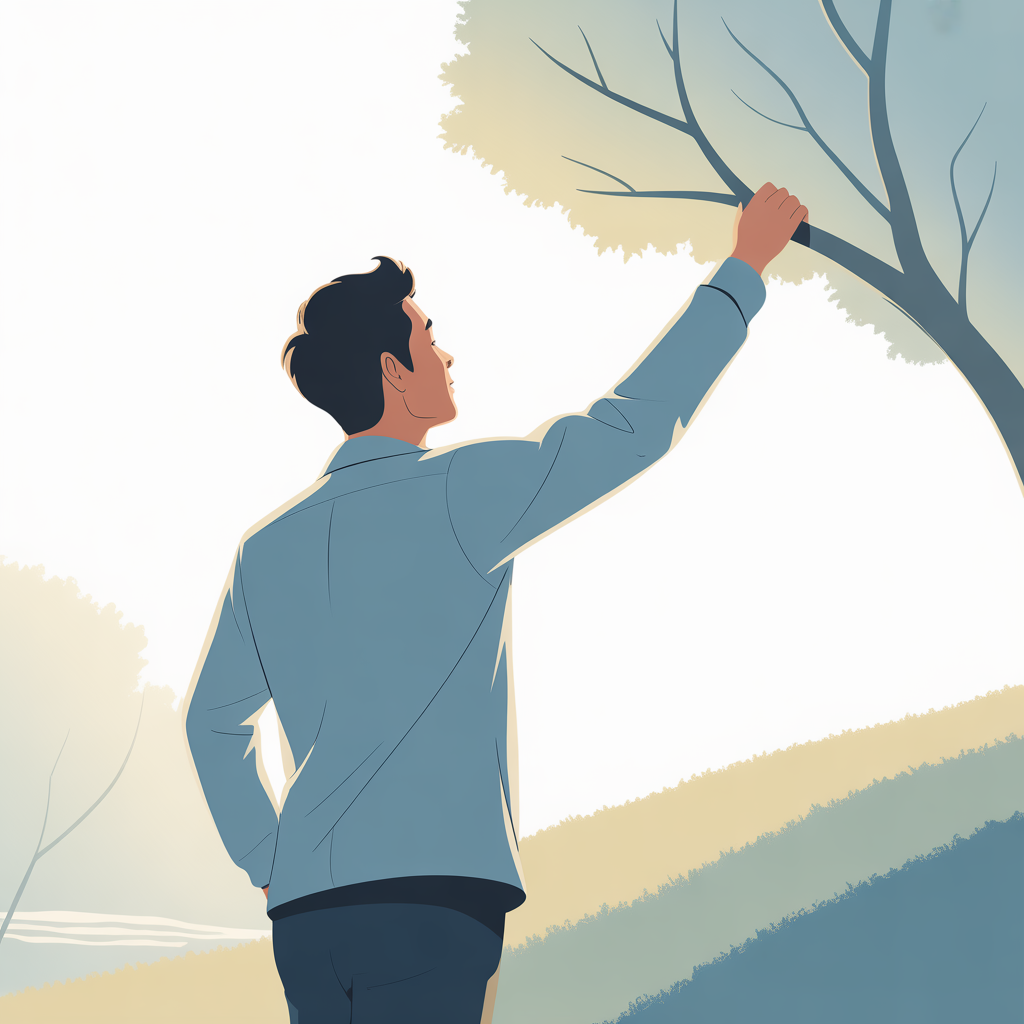
Perfectionism/Overachieving
Never feeling "good enough"
Tying your worth to productivity
Why it shows up now: Your nervous system learned "if I'm perfect, I'll finally be valued." You might exhaust yourself trying to earn love that should be freely given.

The Key Insight
These strategies worked then. They got you through childhood. They helped you survive.
The challenge is that what protected you then might now be limiting your relationships and life. Your nervous system is still operating as if you're in danger, even when you're objectively safe.
This isn't your fault. And these patterns can change.
THREE PRACTICES THAT HELP (Starting Today)
You don't need to wait for professional support to begin working with these patterns. Here are three practices you can start right now:
1. GROUNDING IN THE PRESENT MOMENT
Why this helps: When a pattern gets triggered, your nervous system thinks you're back in the past. Grounding reminds your body that you're here, now, and safe.
How to do it:
5-4-3-2-1 Technique: Name 5 things you see, 4 you can touch, 3 you hear, 2 you smell, 1 you taste
Feel your feet: Press your feet into the ground. Notice the sensation. You're here, not there.
Cold water: Splash cold water on your face or hold ice. The sensation interrupts the stress response.
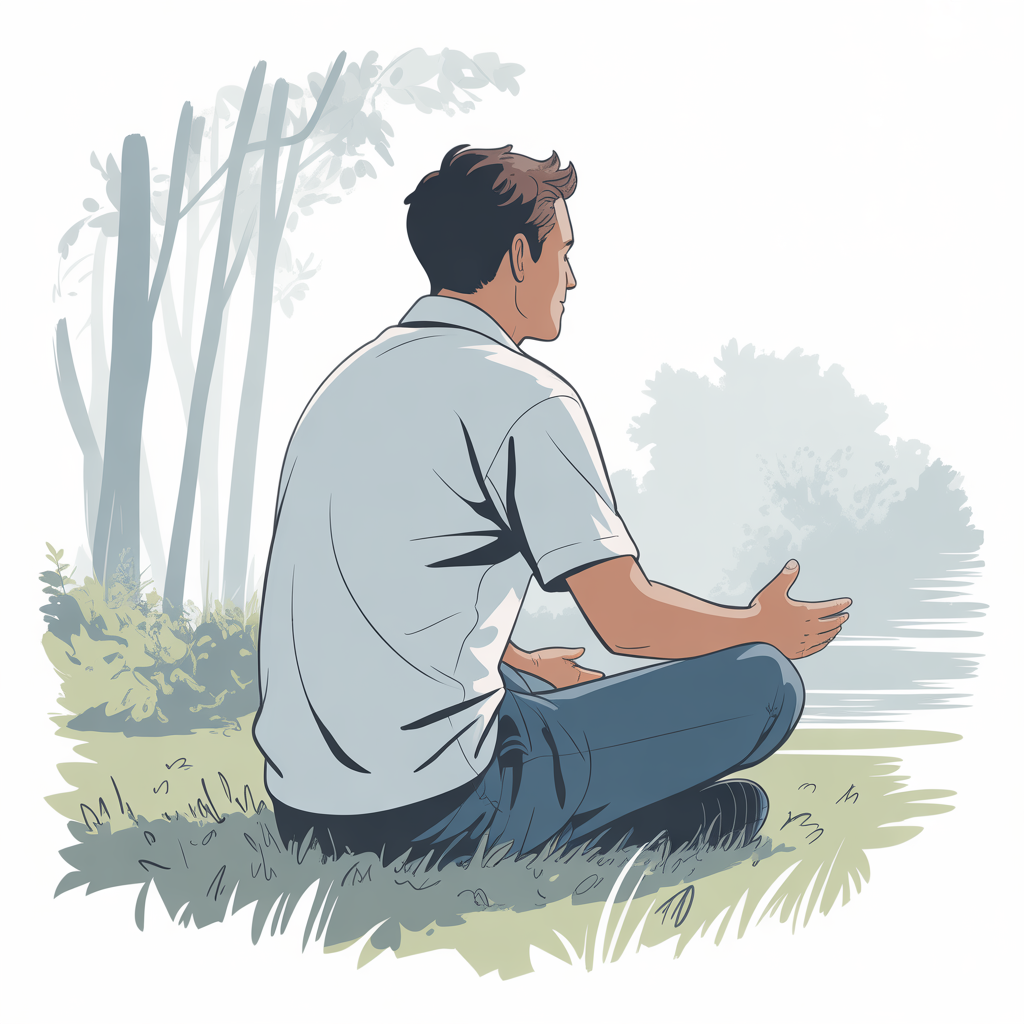
2. SELF-COMPASSION (NOT SELF-CRITICISM)
Why this helps: You probably have a harsh inner critic that makes these patterns worse. Self-compassion helps you respond differently.
How to do it:
When you notice self-criticism, ask: "Would I say this to a friend going through the same thing?"
Try placing your hand on your heart and saying: "This is hard. I'm doing the best I can. I deserve kindness."
It might feel awkward at first. That's normal. Keep practicing.

3. NOTICE WITHOUT JUDGMENT
Why this helps: You can't change patterns you don't notice. Awareness is the first step.
How to do it:
When you notice yourself people-pleasing, shutting down, or hypervigilating:
Don't judge it ("I'm so messed up")
Just notice: "Oh, there's that pattern again"
Get curious: "What might have triggered this?"
Remember: "This made sense once. It's trying to protect me."
You're not trying to stop the pattern by force. You're building awareness and understanding first.

WHAT HEALING ACTUALLY LOOKS LIKE
Healing from childhood trauma doesn't mean erasing your past or "fixing yourself."

Here's what decades of research tells us: The wounds that formed in relationship are healed in relationship. You didn't develop these patterns in isolation—they formed in interactions with important people. They change the same way: through new relational experiences that teach your nervous system something different.
This means:
Experiencing what it feels like to be truly seen and heard
Having your feelings validated instead of dismissed
Learning that people can be safe and consistent
Discovering that your needs matter
Practicing vulnerability with someone who won't use it against you
This can happen in:
Therapy with a trauma-informed, relational psychologist
Healthy friendships where you practice showing up authentically
Support groups or communities where vulnerability is welcomed
The Nature of Healing
Healing is not linear. It looks like two steps forward, one step back. Good weeks followed by hard weeks. Progress that feels invisible until suddenly you notice the shift.
This is normal. You're not failing.

WHAT TO LOOK FOR IN A PSYCHOLOGIST
If you're considering therapy, here's what actually helps with changing these patterns:
Good Signs
✅ They focus on what's happening between you - How you show up with them often reflects patterns in your other relationships. Good psychologists work with that.
✅ They're comfortable with your emotions - They can sit with your feelings without rushing to "fix" you or make you feel better too quickly.
✅ They help you understand your patterns with compassion - They show you why you do what you do, seeing your adaptations as intelligent responses, not symptoms to eliminate.
Warning Signs
🚩 They minimize your experiences - "Other people had it worse" or "At least you had X"
🚩 They seem uncomfortable when you share difficult things - If they change the subject or get visibly uncomfortable, they may not be equipped to help.
YOUR NEXT STEPS

Give yourself credit
You took the ACE test. You're reading this guide. You're seeking understanding.
That takes courage many people never find.
Keep learning
I send weekly emails with insights on:
How childhood patterns show up in adult relationships
Nervous system regulation and grounding practices
What relational healing actually involves
Self-compassion and building the life you want
Real stories of change (not toxic positivity)
You're already on my email list (if you downloaded this guide). Check your inbox for my first email soon.
Consider working together
I'm Dr. W. Frank Diak, a licensed psychologist specializing in childhood trauma and relational healing.
I help you understand the patterns showing up in your relationships now—and learn new ways of connecting, first in our work together, then in your life.
In our sessions, you learn to trust, be seen, and show up authentically with me—which helps you do the same with others.
My approach focuses on:
Understanding the patterns affecting your relationships and life now
Working with what shows up between us in our sessions
Developing new ways of connecting that feel authentic and safe
Building a life that feels meaningful—not perfect, but real and yours
If you're interested in learning more, visit: Trauma Therapy

FINAL THOUGHTS

Your ACE score is not the end of the story. It's not even the most important part of your story.
The most important part is what you do with this information. The fact that you're here, seeking to understand yourself, already tells me something crucial:
You haven't given up on yourself.
These patterns can change. Not overnight, and not in a straight line—but they can change.
You don't have to do this alone.
You don't have to have it all figured out.
You just have to keep taking the next small step.
And you're doing that right now.
With compassion,
Dr. W. Frank Diak
Licensed Psychologist
Specializing in Childhood Trauma & Relational Healing
Schedule a Free Consultation
This is the general picture. Your score tells a more personal story. Take the 2-minute test to find yours.
Further Support & Connection
CONNECT WITH ME
Website:www.thehappinesspsychologist.com
Email:drdiak@happiness-psychologist.com
Schedule a Free Consultation:https://thehappinesspsychologist.com/palm-harbor-fl-contact-dr-diak
IF YOU'RE IN CRISIS
National Suicide Prevention Lifeline: 988
Crisis Text Line: Text HOME to 741741